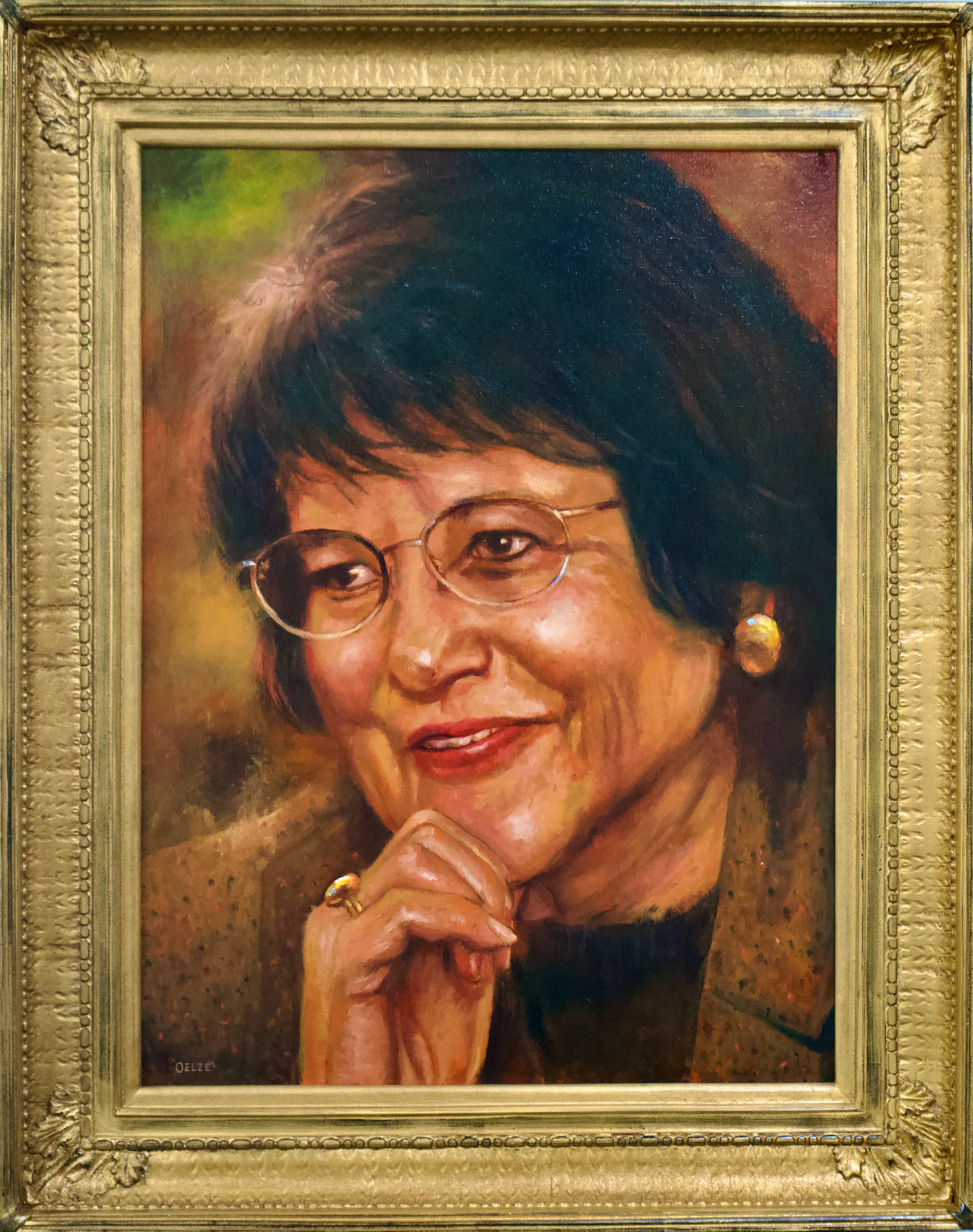
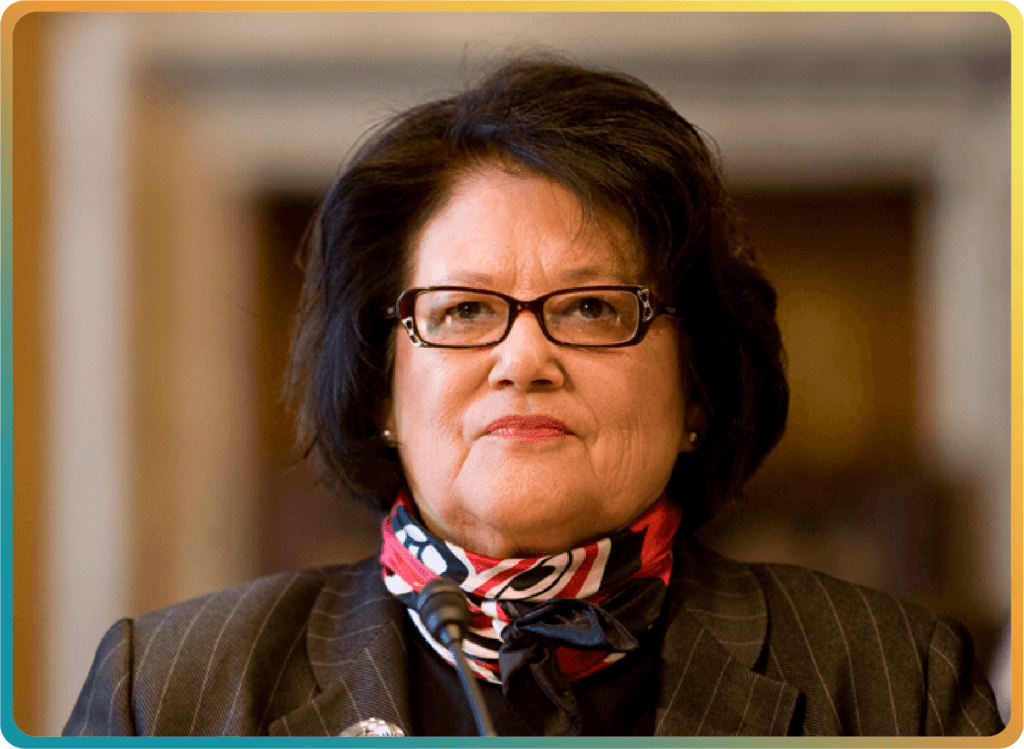
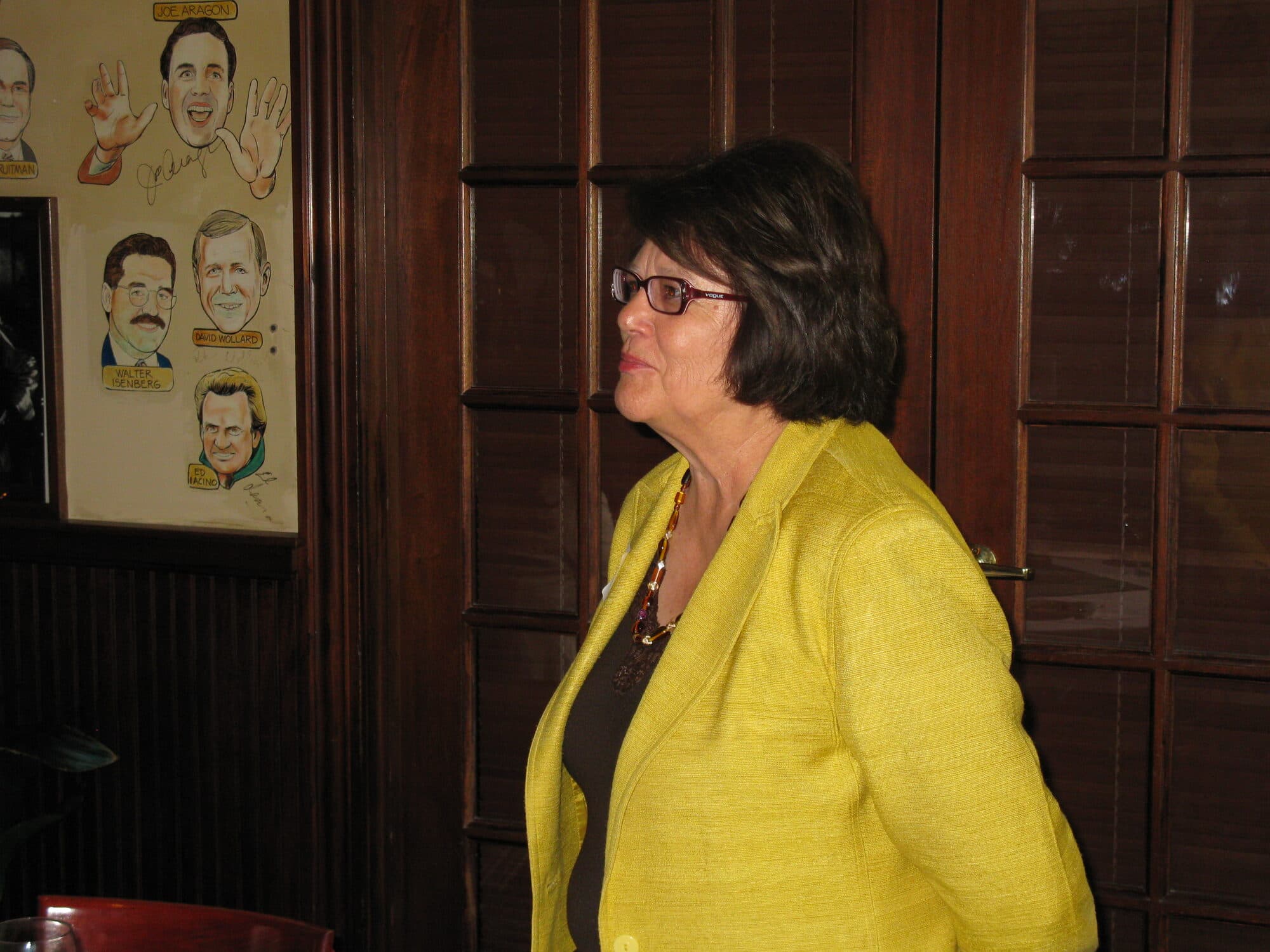
Elouise Pepion Cobell, Yellow Bird Woman of the Blackfeet Nation
Elouise Pepion CobellBlackfeet Nation

Elouise Cobell

A woman named Elouise changed everything.

Before there were scholarships, before there were scholars, there was a fight — one woman against the federal government, on behalf of half a million Native Americans who were owed billions. This is her story.

Listen · Narrated story

Blackfeet Nation, Montana

She grew up counting cattle. Then she started counting what the government owed.

Elouise Pepion Cobell was born in 1945 on the Blackfeet reservation in Montana — the daughter of a family that ranched, farmed, and kept close track of what was theirs. She was good with numbers from the start. She became the treasurer of the Blackfeet Nation, one of the first Native Americans to run a tribally owned bank, and the kind of person who read the fine print.

That habit changed everything. Because when she looked at the trust accounts the U.S. government managed on behalf of individual Native Americans — money from oil, gas, timber, and grazing leases on their own land — the numbers didn't add up. Billions of dollars were missing.
In Her Words

I just can't sit by and watch the exposed injustice of this go on. This money belongs to the Indian people.
Elouise Cobell

1996 — The Lawsuit

One woman. 500,000 plaintiffs. The largest class-action suit against the U.S. government.

In 1996, Elouise filed Cobell v. Salazar — a class-action lawsuit on behalf of over 500,000 individual Native Americans against the Department of the Interior. The case alleged that the federal government had systematically mismanaged Indian trust accounts for over a century, losing track of billions owed to Indigenous landholders.

The legal battle lasted 15 years. The government fought it at every turn. But Elouise didn't stop. She traveled the country, rallied support, testified in front of Congress, and became the face of a movement that demanded the simplest thing: an honest accounting.

In Her Words

Sink your teeth in like a wolverine and never, ever let go until you see victory.
Elouise Cobell

2009 — The Settlement

$3.4 billion. The largest settlement ever against the United States.

In 2009, the case resulted in a $3.4 billion settlement — the largest ever against the U.S. government. $1.9 billion went directly to individual trust account holders. $1.5 billion established the Land Buy-Back Program to restore fractionated land to tribal governments.

And part of that settlement created something that would outlast the legal fight entirely: a scholarship fund for Native American and Alaska Native students pursuing higher education. Not a one-time payment. A permanent investment in the future.

In Her Words

If you're going to pick a fight, make sure you win — and make sure the victory lasts.
Elouise Cobell, paraphrased by those who knew her

Her Legacy

She never saw the first scholarship awarded. Every one carries her name.

Elouise passed away on October 16, 2011, at the age of 65 — just before the settlement was finalized by Congress. She didn't live to see the first Cobell Scholar. But the fund she fought for has now supported 6,000+ Native American and Alaska Native students across more than 400 tribal nations.

Undergraduate students. Graduate researchers. Vocational trainees. Dissertation fellows. Every single one of them is part of what she built — not with a donation, but with a 15-year fight against the most powerful government in the world.

Yellow Bird Woman.

Elouise's Blackfeet name was “Yellow Bird Woman.” She was a MacArthur Genius Fellow, a National Women's Hall of Fame inductee, and one of the most consequential advocates for Native rights in American history. But to the scholars who carry her legacy forward, she's something simpler: proof that one person can change the odds for generations.

The Logo

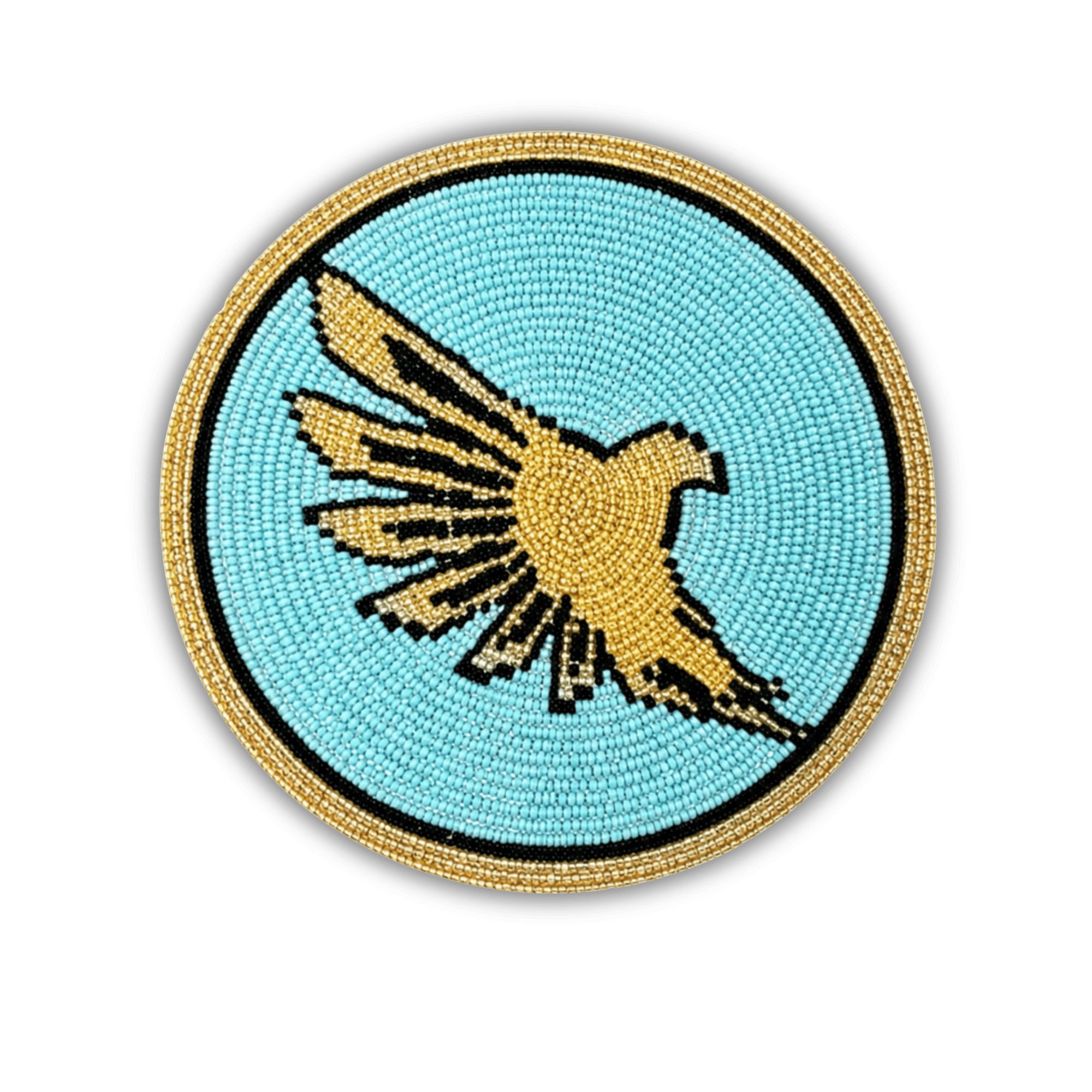
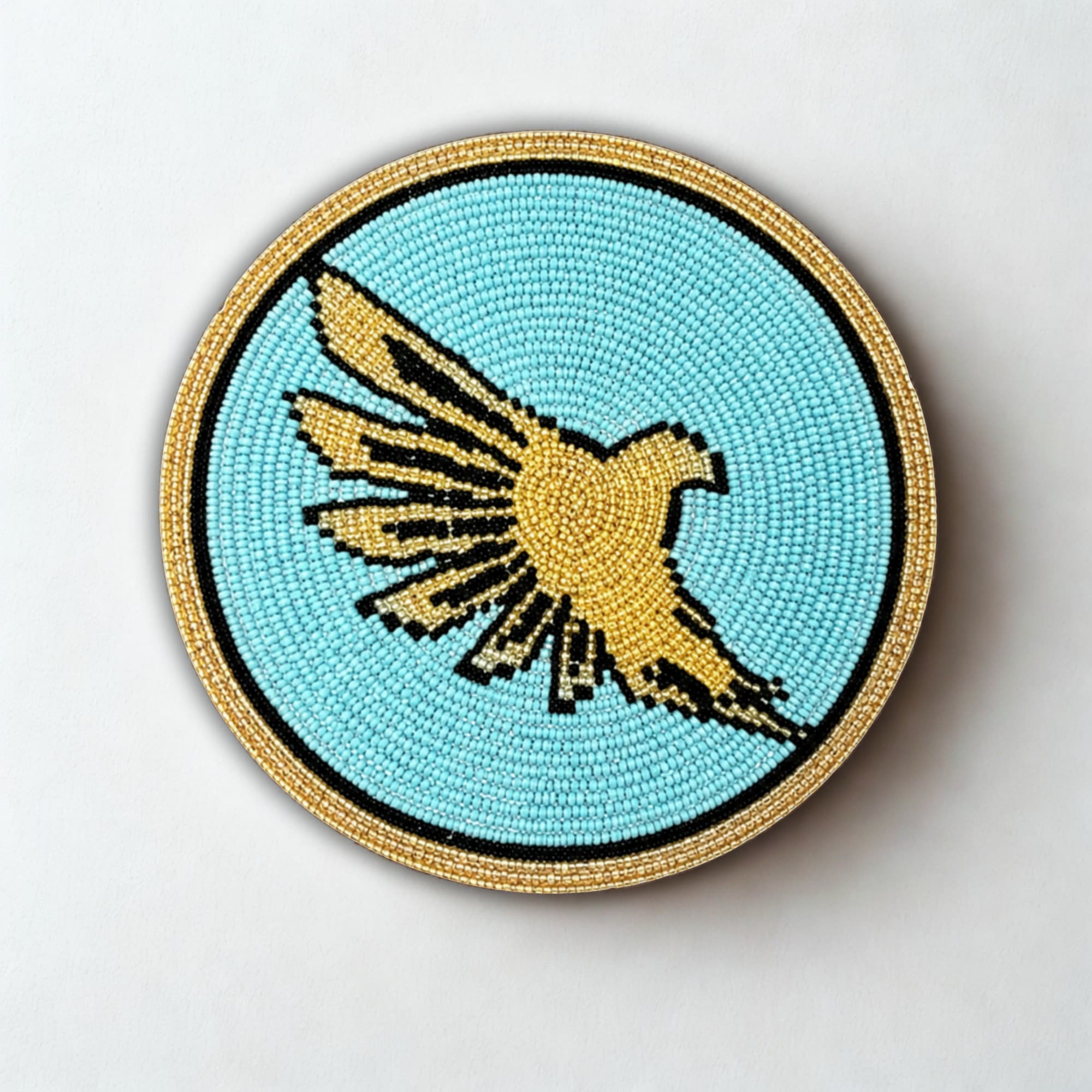
A hawk in flight for a future still rising.

Elouise's Blackfeet name was “Yellow Bird Woman.” The logo carries both: its yellow color and the silhouette of a red-tailed hawk — a bird of deep cultural significance to the Blackfeet — reflect the determination and skill she brought to everything she did.

The small checkerboard pattern near the base of the bird represents the history of allotment on Indian reservations: the federal breakup of tribal land that fractionized individual holdings for generations, and laid the groundwork for the very injustices Elouise spent her life fighting.

Designed by Rocky Tano in consultation with Elouise's son Turk, the Cobell trustees, and Native American artists, the logo holds her history and her legacy — and the promise of a better future for every scholar who carries her name.

She fought for your future. Now make it yours.

Every Cobell Scholarship exists because one woman refused to accept that things couldn't change. The fund is here. The support is here. Your move.